


· Micha
Why European Cities Turn Off Their Drinking Fountains in Winter
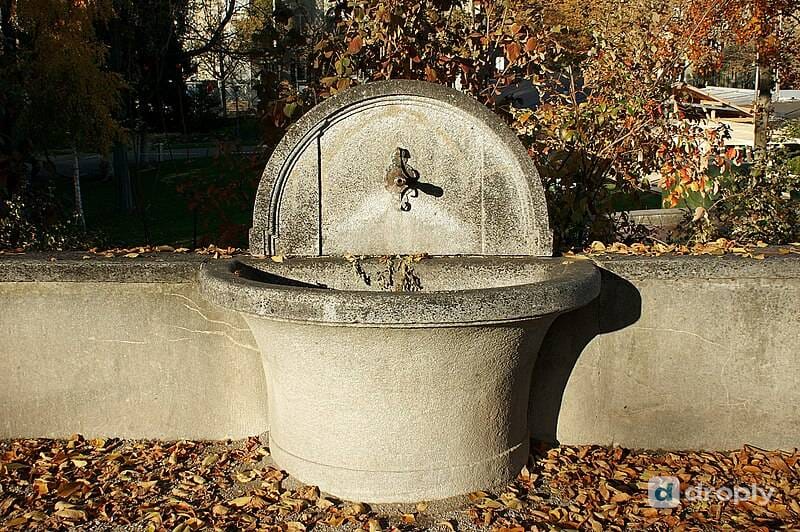
From Vienna to Hannover, cities are shutting down their drinking fountains for winter right now. Why it happens, which fountains go off, and how to still find running water on a bike or hiking trip.
October and November are good months for a bike tour or a long hike: cooler air, fewer people, often stable weather. They are also the months when the fountain you used all summer may not give any water when you press the button. Many cities are closing their fountains for the season right now, in the middle of days that still feel like late summer. Here is why it happens, which fountains are affected, and how to plan around it.
Why do cities turn off their drinking fountains in winter?
Cities turn off their drinking fountains to protect them from frost damage. Most modern drinking fountains work with a push button or a valve: between two uses, water stands still in the pipe and in the fitting. When that water freezes, it expands by about 9% and can crack the pipe, the valve or the nozzle. One frost night is enough.
The official statements are very consistent on this point. The Stadtwerke Bietigheim-Bissingen in Germany wrote in their press release from 30 September 2025 that pipes and fittings could be damaged when there is a risk of frost, and that a temporary shutdown avoids high repair costs. Their spokesperson Mariel Königer called it a “winter sleep” for the fountains. Hannover names pipes and nozzles as the sensitive parts. Bochum says the same in a report from 20 October 2026: the fountains are taken out of service every year to prevent frost damage to the pipes.
Dresden had a very practical reason this year. According to t-online, the colder nights already affected the technology in the stainless steel fountains in early October 2026, and some of them ran without stopping. The city fixed the faults and then shut down all twelve fountains, with fully drained pipes.
Summary: Standing water in a push-button fountain freezes, expands and breaks pipes and valves. Cities drain them before the first frost nights.
Why are fountains already off in October, when it is still warm?
Because shutting down a fountain network takes weeks, and the crews have to be done before the first frost, not after it. Draining a fountain means closing the supply, emptying the pipe, often removing the push-button mechanism and sometimes covering the whole fountain. Leipzig, for example, removes the parts of the control system that release the water when you press the button. Hannover drains the pipes, cleans the basins and builds wooden enclosures around the most fragile fountains.
Vienna shows how the order works. The city starts at the end of October and switches off the drinking fountains on the outskirts first, because temperatures there drop below zero sooner. The fountains in the first district, in the center, are the last ones to go off.
So on a warm, sunny day in October, a fountain can already be dry. Summer 2026 was the hottest ever measured in Switzerland, according to MeteoSwiss, and warm days late in the season are becoming more common. The fountain calendar does not follow the weather forecast. It follows the frost risk and the work plan of the water utility.
Summary: The shutdown has to be finished before the first frost night, so it starts in October, often on days that still feel like summer.
Which cities turn off their fountains, and when?
Almost every city in Central and Northern Europe with push-button fountains switches them off for winter. The dates vary from early October to December. These are the ones we found for this season:
| City | Fountains | Off from | Back on |
|---|---|---|---|
| Leipzig | 32 fixed fountains + 6 mobile ones | early October 2026 | spring 2027 |
| Dresden | 12 drinking fountains | 14 October 2026 | spring 2027, depending on the city budget |
| Hannover | over 50 ornamental and drinking fountains | 15 October 2026, step by step | drinking fountains after 15 May 2027 |
| Bochum | mobile drinking water dispensers | week of 20 October 2026 | spring 2027 |
| Vienna | around 1,600 drinking fountains + 55 monumental fountains | end of October | spring |
| Frankfurt | all drinking fountains | October | around 22 March |
| Munich | about 115 drinking water points | start of Oktoberfest (late September) | late April |
| Berlin | around 240 drinking fountains | end of October | April |
| Paris | part of the network, incl. Wallace fountains | late November or mid-December | mid-March |
| London (Royal Greenwich) | borough-run fountains | end of November | start of March |
Sources: Leipziger Wasserwerke via l-iz.de, t-online Dresden, hannover.de, Radio Bochum, 5min.at, frankfurt.de, stadt.muenchen.de, Berliner Kurier, Eau de Paris, Royal Greenwich.
Two details stand out. Munich’s drinking water points run from late April only until the start of Oktoberfest, so in the second half of September they are already gone. And Hannover waits with its drinking fountains until after the Eisheiligen, the “ice saints” days from 11 to 15 May that traditionally mark the last frost risk in Germany. Its ornamental fountains come back weeks earlier.
Cemetery taps follow the same logic. They are a classic refill point on long bike tours and hikes through villages, and most of them go off in November. Mainz shuts them at the end of November, Dortmund turns them off from Totensonntag, the last Sunday before Advent, until around Easter.
Summary: Between October and December, most push-button fountains in Central and Northern Europe go off, and they come back between March and May.
Do all fountains get turned off?
No. Two kinds of fountains usually keep running through winter.
The first kind are fountains with a constant flow. Water that never stops moving freezes much later than water standing in a pipe. Rome’s nasoni, the cast-iron fountains with the curved spout, normally run day and night, all year round. According to NPR, keeping the water flowing also prevents costly blockages in the pipes. The only time Rome closed them on a large scale was during the drought in summer 2017, not because of the cold. Many traditional Swiss fountains, for example in Zurich and Bern, also run with a constant flow. Even there, single fountains or parts of them get drained for winter: Zurich’s fountain guide mentions, for example, fountains whose bowl spouts and dog troughs are emptied over the winter.
A special case of constant flow are fountains fed by a piped spring. From the outside, many of them look like any other city fountain. Inside, they don’t carry water from the city grid but from a spring that was captured and piped to the fountain. The spring keeps producing water whether someone uses it or not, so the water runs all the time and there is no valve to close. Zurich, for example, has a separate spring-water network of about 150 km that supplies around 320 fountains plus its emergency fountains, see our Zurich article. In droply, these water sources have the category “Spring water”.
This also works the other way round. If you don’t know what feeds a fountain, its winter behavior is a good hint. A fountain that gets turned off in winter is almost certainly connected to the city grid. A fountain that keeps running through December and January might well be fed by spring water. A sign on the fountain is still the only reliable answer on whether the water is tested: “drinking water” means it is checked regularly, “no drinking water” means it isn’t.
The second kind are fountains kept open on purpose. Eau de Paris closes part of its network every winter, including the famous green Wallace fountains, to avoid frost damage to the internal pipes. At the same time, it has identified around thirty strategic drinking fountains that stay open all winter, so that people without a home always have access to safe water. In the winter of 2016/17 that was 36 fountains, including 4 sparkling water fountains.
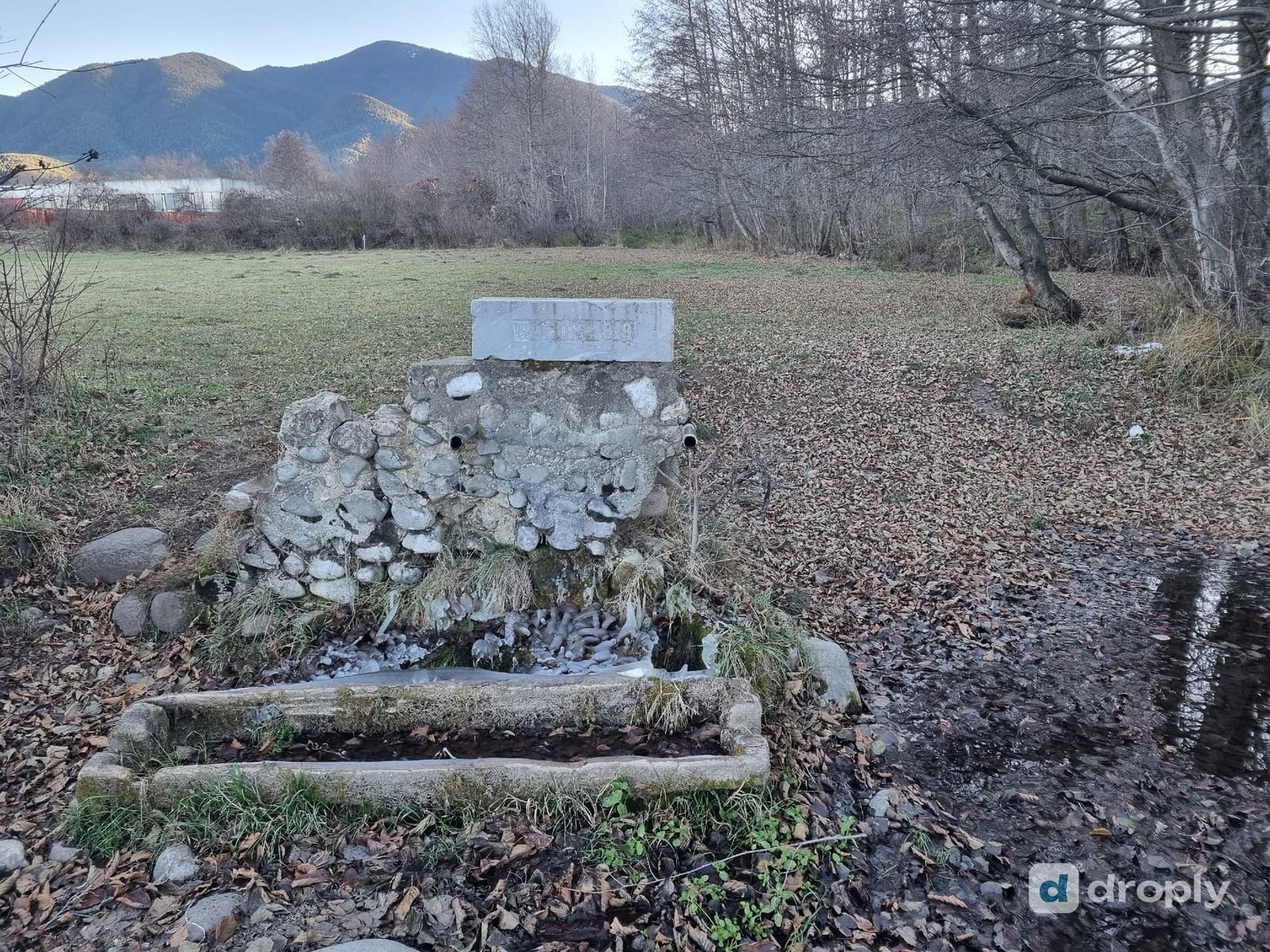
Summary: Fountains with a constant flow, especially those fed by a piped spring, and a small number of strategic fountains stay on. Everything with a push button should be treated as possibly off from October.
Why is this a problem for cyclists and hikers?
Because autumn is a good season to be outside, and a lot of people plan their water around fountains they know from summer. On a bike tour along the Danube or the Rhine, the towns along the river are the natural refill points. On a multi-day hike, the village fountain or the cemetery tap is where you fill up for the next section. In October and November these points can still be marked on every map, but be dry.
The difference to summer is that you sweat less, but you still need water. On a long day on the bike, half a liter to a liter per hour is still normal even in cool weather, see how much water to drink on a hike for how it scales with effort and temperature. If two fountains in a row are off, that can mean 30 or 40 kilometers on the bike without a refill.
What helps:
- Carry a bit more between towns. One extra bottle covers one dry fountain. Our water carrying guide explains how to plan the volume per section.
- Look for fountains with a constant flow and natural springs. For a spring or a stream, treat the water if you are not sure about its source, see our hiking water filter guide.
- Use refill networks. Dresden itself points to Refill Deutschland: shops, cafés and public buildings with a round sticker with a blue drop fill your bottle for free, all year.
- Check the last check-in before you count on a fountain, see the next section.

Summary: In autumn, known refill points can be dry without warning. Carry a bit more, look for constant-flow fountains and refill networks, and check recent reports.
How does droply help you find fountains that are still flowing?
droply shows you whether a fountain was flowing the last time someone was there, and when that was. The information comes from two places: from the people who use the app, and, for some cities, from the official data of the water utility.
Check-ins from the community. When you stand at a fountain, droply asks you a simple question: “Is it flowing?” You answer yes or no. That one tap shows up for the next person as “Flowing” or “Not flowing”, with the date of the last check-in. In October and November this matters more than in summer, because the status of a fountain can change from one week to the next. If you see a fountain that is off, say so with a “No”. It saves the next cyclist the detour.
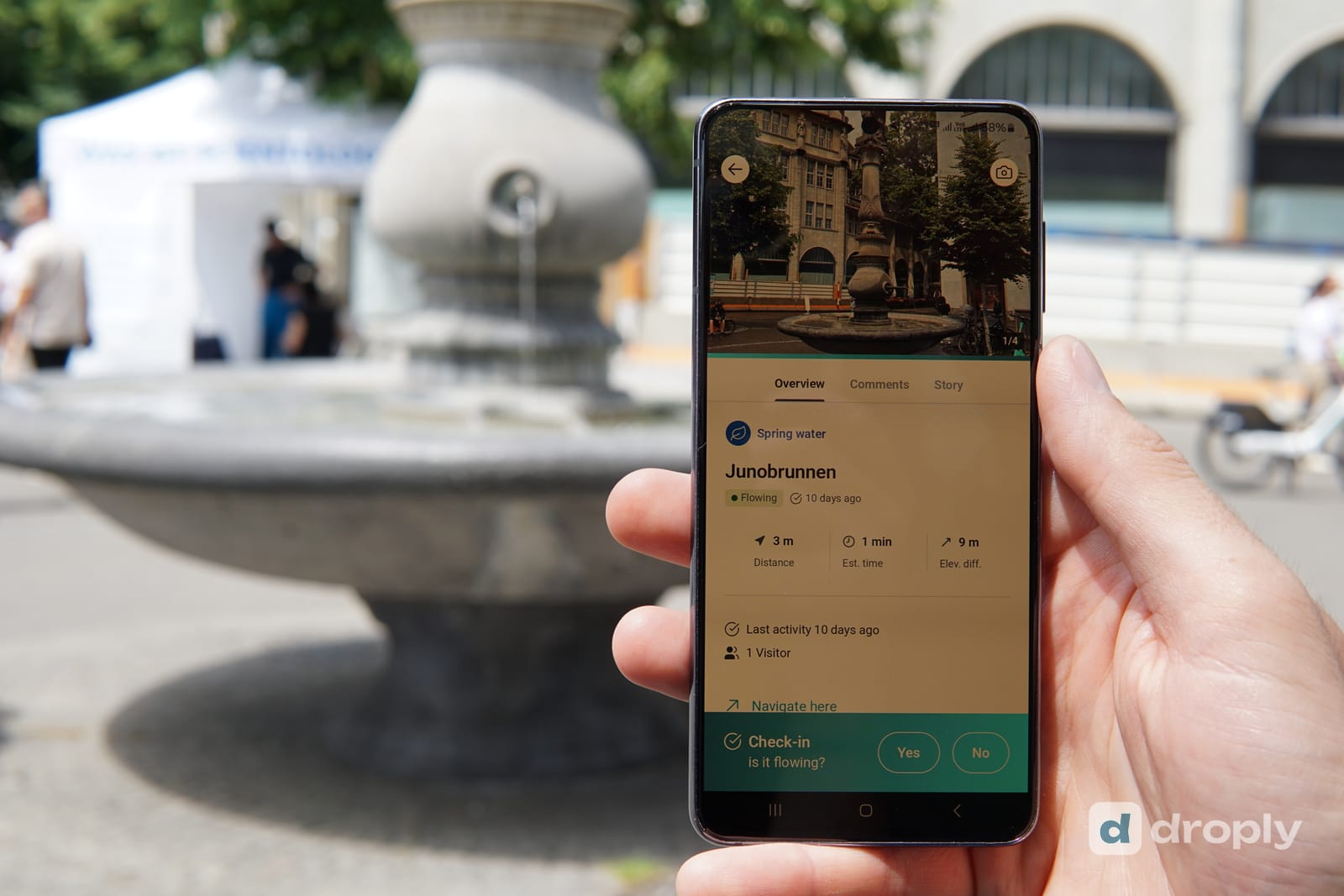
Filter on flowing. On the map, the quick filter “Flowing only” hides every fountain that is reported as off. That way you only see water sources you can actually count on, not every fountain that exists.
Official status, imported automatically. For selected cities, droply imports the on/off status straight from the city’s open data. In Zurich, the Wasserversorgung publishes for each of its almost 1,300 fountains whether it is currently shut off, and why: a construction site, a broken pipe, or a winter shutdown. droply reads this data every 14 days. For Paris, we import the availability of Eau de Paris’ fountains every 30 days. When the city’s data marks a fountain as shut off, droply shows it as not flowing, even if nobody has checked in there yet. We’d like to add more cities, and it depends on whether a city publishes this status as open data.
“Off in winter” on the water source. Some fountains are switched off every winter, year after year. For these, there is the attribute “Off in winter”. You can set it when you add a new water source or edit an existing one. It tells everyone, also in July, that this fountain won’t help on a trip in December. And if you see a fountain still running in the middle of winter, check its category: if it is fed by a spring and nobody has noted that yet, set the category to “Spring water”. In the droply Navigator, you can limit a route to water sources marked “Works in winter”, so the water plan for a winter hike is based only on fountains that are known to keep running.
The data is only as good as the people who keep it up to date. Every check-in counts, also the “No” at a dry fountain on a sunny October afternoon.
Summary: Check in to confirm a fountain is flowing, filter on “Flowing only”, rely on the imported official status in Zurich and Paris, and mark fountains that are “Off in winter”.
Frequently asked questions
Why are drinking fountains turned off in winter?
To protect them from frost. In a push-button fountain, water stands in the pipe between uses. When it freezes, it expands and can crack pipes, valves and nozzles. Cities drain the lines before the first frost nights because a repair costs much more than a few weeks without water.
When do cities turn off their fountains?
Usually between early October and the end of November, depending on the city and its climate. Leipzig and Dresden started in early October 2026, Hannover on 15 October, Vienna at the end of October. Paris closes part of its fountains from late November or mid-December until mid-March.
Are all fountains turned off in winter?
No. Fountains with a constant flow, like Rome's nasoni, keep running because moving water freezes much later. Some cities also keep a few fountains open on purpose: Eau de Paris keeps around 30 strategic drinking fountains running all winter for people who depend on them.
How can I tell if a fountain is fed by spring water?
Watch it in winter. A fountain that gets turned off in winter is almost certainly on the city grid. One that keeps running through winter may be fed by a piped spring, which flows all the time and has no valve to close. In droply, these fountains have the category "Spring water".
When do the fountains come back on?
Mostly between March and May. Frankfurt starts around World Water Day on 22 March, Vienna in spring, and Hannover restarts its drinking fountains only after the Eisheiligen (the 'ice saints', 11 to 15 May), to avoid a late frost.
Where can I refill water when city fountains are off?
Look for fountains with a constant flow, cafés and shops in a refill network such as Refill Deutschland, train stations, and fountains other people have recently confirmed as flowing on droply. Cemetery taps, a classic refill point, are usually off in winter too.
How do I know if a fountain is still flowing?
Check the last check-in on droply. Every time someone answers "Is it flowing?" at a fountain, the date and answer show up for the next person. For Zurich and Paris, droply also imports the city's official on/off status automatically.
What does "Off in winter" mean in droply?
It is an attribute on a water source that says this fountain usually gets turned off during winter. Anyone with an account can set it when adding or editing a water source. In the droply Navigator, you can limit a route to water sources marked as working in winter.
Published on
← Back to blog  By Micha · Co-Founder, droply
CDT thru-hiker (2024) · Co-founder of droply
Micha co-founded droply after thru-hiking the Continental Divide Trail in 2024. A former scout and lifelong outdoor enthusiast, he's always chasing water sources to map: hidden natural springs and hot springs are his favorites.
Get new posts in your reader
New guides and trail notes land in your feed reader the day they're published. No email address, no account, no tracking.
Feed address
https://droply-app.com/rss.xml